
What to do in Canfranc: history and mountains in the Pyrenees
A monumental railway station with a history of spies, woods and waterfalls half an hour away on foot, two ski resorts next door and the Pyrenees seen from a light aircraft. This is everything you can do in Canfranc, season by season.
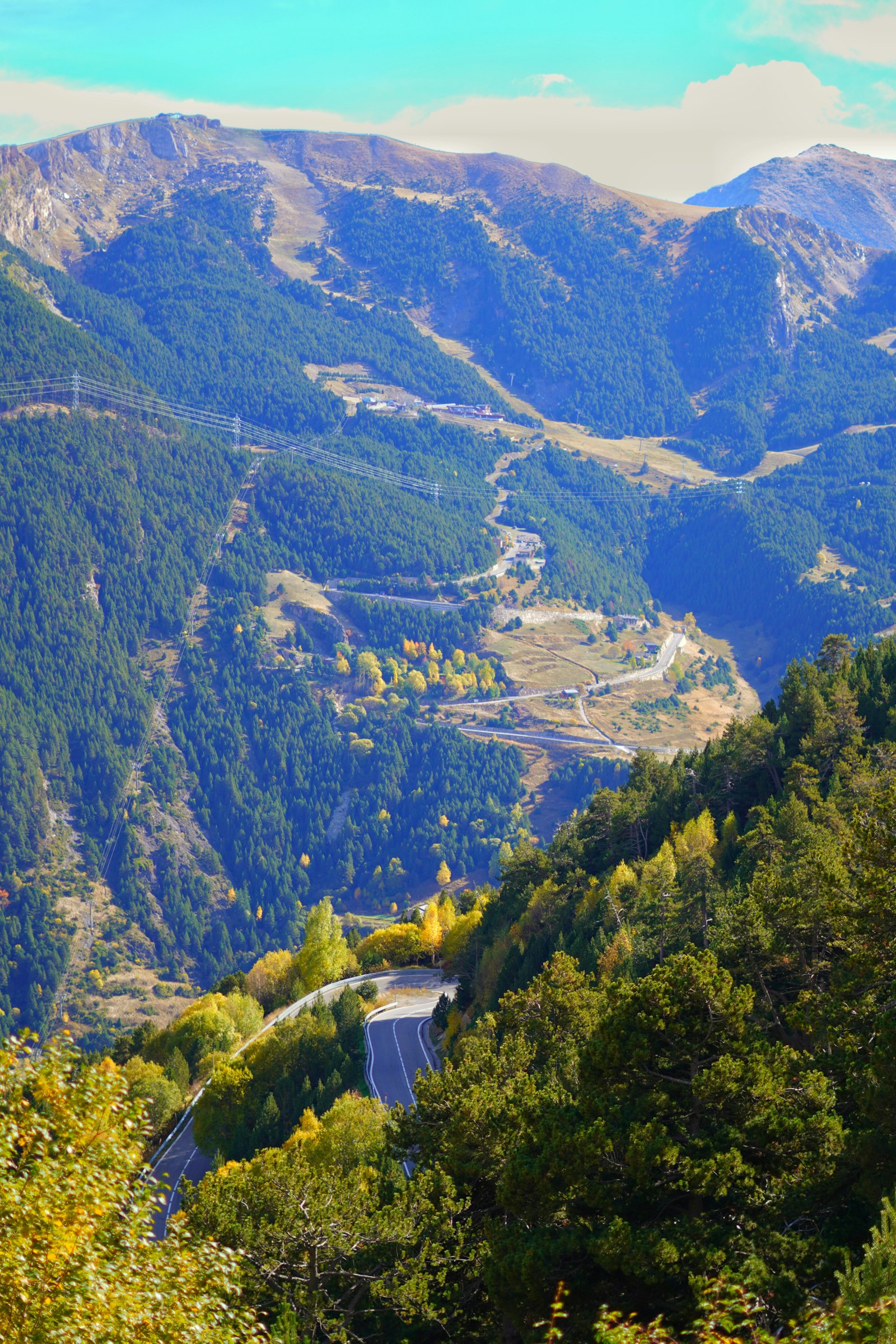
Canfranc is a village in the Aragón valley (Huesca, Aragonese Pyrenees) that people visit for two reasons. The first is its International Station, the monumental 1928 railway station —today the Barceló Canfranc Estación, a Royal Hideaway Hotel— which you can walk through on a guided tour with access to restricted areas or on a theatrical tour about Albert Le Lay. The second is the mountains: hiking to the Cascada de las Negras, snowshoeing in the Astún valley and ski lessons in Astún and Candanchú. And to take it all in at once, a scenic flight over Ordesa.
The International Station of Canfranc
It is the reason most people come up to Canfranc. The International Station of Canfranc opened in 1928 as the largest railway station in Europe after Leipzig: 241 metres of façade, 365 windows and a seemingly endless platform, planted in the middle of a Pyrenean valley. The line linking Zaragoza with Pau was cut in 1970 after the L’Estanguet bridge collapsed, and the building spent decades abandoned. Restored, it is now the Barceló Canfranc Estación, a Royal Hideaway Hotel, and you can walk through it with a guide.
During the Second World War the station was a strange sort of border: through here passed the wolfram Franco was selling to the Third Reich, and also hundreds of Jews, Allies and people fleeing occupied France. In the middle of it stood Albert Le Lay, the head of the French customs post, who used his position to let them cross. They call him "the Schindler of Canfranc".
There are two ways to experience it. The special guided tour lasts an hour and a half, covers the interior and the railway grounds in 8 stops and goes into restricted areas that the standard tour does not reach. The theatrical tour does the same, but with Le Lay himself as your guide: an actor recreates the scene and tells the story from the inside.
If you would rather see it from the outside and get to know the less touristy Canfranc along the way, the Paseo de los Melancólicos and the bunkers is a short route (about 2 h) along paths and through woodland with the best views of the station, and it explains why this valley filled up with fortifications after the Civil War.
Hiking and the mountains
Canfranc is surrounded by routes that start in the village itself. The most rewarding is the climb to the Cascada de las Negras, up the Canal de Izas: around 11 km and 500 m of ascent (4 h) between the rock formations of Los Campanales and the viewpoint at the Collado de Izas. It is a medium-level route with one technical rocky section, and it is not suitable for children under 12.
Gentler and closer to the village, the route to the Olla de Estiviellas and the Canfranc woods takes in the Segrá viewpoint, the waterfall and the forest in another 4 hours. Both are private outings with a maximum of 8 people and a qualified High Mountain guide, so the pace adapts to the group.
Snow: snowshoeing and skiing in Astún and Candanchú
Canfranc is the gateway to Candanchú and Astún, the valley's two ski resorts, about 10 minutes away by car. If you ski, the private ski or snowboard lessons are the easy option: they include the lift pass, equipment and transport from Canfranc, run 2 or 4 hours a day over 1, 2 or 3 days, and have a maximum of 3 pupils per instructor — levels are never mixed, nor are people who do not know each other. Suitable from age 6.
If the pistes are not your thing, the plan is the private snowshoe tour of the Astún valley: 4 hours of silence and snowy woodland with a high-mountain guide, in groups of up to 8. You will need high-cut waterproof mountain boots.
The Pyrenees from the air
From the Santa Cilia de Jaca airfield, 17 km from Jaca, scenic flights take off in a four-seat aircraft (pilot + 3 passengers) with a glass cabin. There are two: the 45-minute flight over the Tena valley and the 60-minute flight around the Ordesa National Park, with views of Monte Perdido and the glaciers. You book the whole aircraft, so the price is split between however many of you go.
Tip: book the flight first thing. Visibility in the Pyrenees is usually better in the morning, before the afternoon cloud builds over the ridges.
When to go to Canfranc
- All year round: the guided and theatrical tours of the International Station, and the scenic flights (visibility permitting).
- Spring and summer: hiking to the Cascada de las Negras and the Olla de Estiviellas, with the snowmelt and long days.
- Autumn: the same routes with the woods in colour and far fewer people.
- Winter: snowshoeing in the Astún valley and ski and snowboard lessons in Astún and Candanchú, depending on snow conditions.
Not sure where to start? Browse all the activities in Canfranc and filter by history, mountains, snow or flights.
Frequently asked questions
What is there to do in Canfranc?
Visit the International Station (guided or theatrical tour), walk the Paseo de los Melancólicos and the bunkers, hike to the Cascada de las Negras and the Olla de Estiviellas, go snowshoeing in the Astún valley, take ski and snowboard lessons in Astún and Candanchú, and take a scenic flight from Santa Cilia de Jaca.
Can you go inside the Canfranc Station?
Yes. The 1928 building is now the Barceló Canfranc Estación, a Royal Hideaway Hotel, and it is visited with a guide. The special guided tour lasts 1 h 30, covers the interior and the railway grounds in 8 stops and reaches restricted areas. From €15 per person.
Who was Albert Le Lay?
The head of the French customs post in Canfranc during the Second World War. From that position he helped hundreds of Jews and others persecuted by the Nazis to cross the border, which earned him the nickname "the Schindler of Canfranc". His story is told on a theatrical tour inside the station itself.
When is the best time to visit Canfranc?
The Station can be visited all year round. Hiking runs from late spring to autumn; snowshoeing and skiing in winter; and the scenic flights on any day with good visibility.
Where is Canfranc?
In the Aragón valley, in the Pyrenees of Huesca (Aragón, Spain), next to the French border and about 25 km from Jaca. It is famous for its International Station and for Candanchú and Astún.